
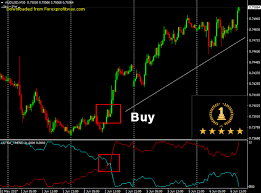
The Essential Role of Forex Indicators in Trading Success
The world of forex trading is a complex and dynamic one, where success often hinges on a trader’s ability to analyze market conditions, make informed decisions, and adapt to ever-changing circumstances. In this intricate landscape, forex indicators or technical analysis indicator play a pivotal role in helping traders navigate the uncertainties and complexities of the foreign exchange market. This article delves into the essential role of forex indicators in achieving trading success
Understanding Forex Indicators
Forex indicators are tools that traders use to analyze historical and current market data, identify trends, and make predictions about future price movements. These indicators are typically based on mathematical calculations and statistical analysis of price, volume, and other market-related data. Forex traders rely on a wide range of indicators, each serving a specific purpose, to make more informed trading decisions.
Types of Forex Indicators
There are two main categories of forex indicators: leading indicators and lagging indicators.
- Leading Indicators: These indicators attempt to predict future price movements by identifying potential trends and reversals before they occur. Examples include the Relative Strength Index (RSI), Moving Average Convergence Divergence (MACD), and Stochastic Oscillator.
- Lagging Indicators: Lagging indicators follow price movements and provide confirmation of trends that have already started. Examples include moving averages and the Moving Average Convergence Divergence (MACD) signal line.
The Essential Role of Forex Indicators
- Market Analysis: Forex indicators are essential tools for analyzing market conditions and identifying potential trading opportunities. They help traders assess the strength of trends, determine entry and exit points, and gauge market sentiment.
- Risk Management: Effective risk management is crucial in forex trading. Indicators can help traders set stop-loss and take-profit levels, which are essential for controlling losses and locking in profits.
- Timing Trades: Timing is everything in forex trading. Indicators can assist traders in timing their trades by signaling when a currency pair is overbought or oversold, increasing the likelihood of a profitable trade.
- Confirmation of Trends: Lagging indicators can confirm the direction of a trend, providing traders with the confidence to enter or exit a trade. This confirmation can help reduce false signals and improve the accuracy of trading decisions.
- Strategy Development: Forex indicators are integral to the development of trading strategies. Traders can combine multiple indicators to create a comprehensive trading strategy tailored to their risk tolerance and trading style.
- Psychological Support: Trading can be emotionally challenging, and traders often struggle with fear and greed. Forex indicators provide an objective and data-driven perspective, helping traders make rational decisions rather than succumbing to emotions.
- Adaptive Trading: The forex market is highly dynamic, and conditions can change rapidly. Forex indicators provide real-time insights, allowing traders to adapt their strategies to evolving market conditions.
In the world of forex trading, success is not guaranteed, and risks are inherent. However, forex indicators serve as indispensable tools that empower traders to make more informed decisions, manage risk, and increase the likelihood of profitability. Whether you are a novice or an experienced trader, understanding the essential role of forex indicators is crucial for achieving success in this dynamic and challenging financial market. It’s important to remember that while indicators are valuable, they should be used in conjunction with a solid trading plan and risk management strategy for the best results.