
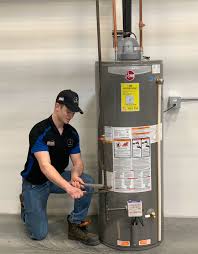
Hot water tanks, also known as water heaters or hot water heaters, are appliances used to heat and store water for domestic use, such as bathing, cleaning, and washing. They are a fundamental part of residential and commercial plumbing systems, providing a continuous supply of Lynn’s hot water tanks whenever needed.
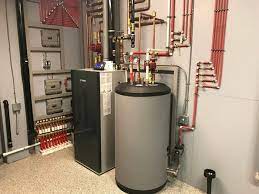
Types of Hot Water Tanks:
- Conventional Storage Water Heaters: These are the most common type of hot water tanks found in homes and businesses. They consist of an insulated tank that holds a certain amount of water, typically ranging from 20 to 80 gallons. The water is heated by either gas or electric heating elements located at the bottom of the tank. As hot water is used, cold water enters the tank to be heated for future use.
- Tankless (On-Demand) Water Heaters: Unlike conventional tanks, tankless water heaters do not store hot water. Instead, they heat water on demand as it flows through the unit. When you turn on a hot water faucet, cold water passes through a heat exchanger, where it is quickly heated and delivered to the faucet. Tankless water heaters are more energy-efficient since they only heat water when needed, but they have a limited flow rate and may not be suitable for large households.
- Heat Pump Water Heaters: Heat pump water heaters use electricity to move heat from the surrounding air into the water tank. They are more energy-efficient than conventional electric water heaters but may not work well in colder climates.
- Solar Water Heaters: These systems use the sun’s energy to heat water. Solar collectors capture solar radiation and transfer the heat to the water in the tank. They can be an environmentally friendly option, but their efficiency is influenced by weather conditions and the amount of sunlight available.
Important Considerations:
- Size: Choosing the right size of the hot water tank is essential. A tank that is too small may not provide enough hot water, while an oversized tank can lead to unnecessary energy consumption.
- Energy Efficiency: Look for Energy Star-rated models or high-efficiency water heaters to save on energy costs and reduce environmental impact.
- Installation and Maintenance: Professional installation is recommended to ensure proper functionality and safety. Regular maintenance is also crucial to extend the lifespan and efficiency of the hot water tank.
- Fuel Type: Hot water tanks can be powered by electricity, natural gas, propane, or solar energy. Consider the availability and cost of the fuel type in your area.
In summary, hot water tanks are essential appliances that provide a steady supply of hot water for various daily activities. With the right type and proper maintenance, they can efficiently meet the hot water needs of homes and businesses.