
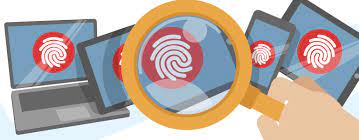
Biometric Authentication: Leveraging Device Fingerprint Data
Biometric authentication is a security mechanism that uses unique physical or behavioral characteristics of an individual to verify their identity. One form of biometric authentication that has gained popularity in recent years is device fingerprint data, which involves using the unique characteristics of a device fingerprint service to verify a user’s identity. Here’s how it works and some considerations:
1. Device Fingerprint Data:
- What is it? Device fingerprint data is a collection of unique attributes and characteristics of a user’s device. These attributes can include hardware details (e.g., device model, operating system version), software configurations, browser settings, and even specific network properties.
- Uniqueness: Just like a human fingerprint, every device has a unique combination of attributes. This uniqueness makes it possible to use device fingerprinting for authentication and fraud detection.
- Stability: Device attributes tend to be stable over time, making them reliable for ongoing authentication.
2. How it works:
- Collection: Device fingerprint data is collected from a user’s device when they first access a service or application. This data can be gathered through various means, including JavaScript, cookies, HTTP headers, and other client-side technologies.
- Storage: The collected data is stored securely on the server side.
- Authentication: When the user attempts to access the service again, their device fingerprint data is compared to the stored data. If there’s a match, the user is authenticated.
3. Advantages:
- Non-intrusive: Device fingerprinting doesn’t require users to provide explicit input (e.g., passwords or fingerprints), making it a seamless and convenient authentication method.
- Continuous Authentication: Unlike traditional methods, device fingerprinting can continuously monitor the user’s device for any suspicious changes or activities.
- Low Friction: Users don’t need to remember passwords or perform additional actions, reducing friction in the user experience.
4. Considerations and Challenges:
- Privacy Concerns: Collecting and storing device fingerprint data raises privacy concerns. It’s crucial to handle this data responsibly and in compliance with data protection regulations.
- Device Changes: While device attributes are generally stable, they can change over time due to software updates or hardware upgrades. Handling such changes is essential to avoid false negatives during authentication.
- Security: Device fingerprinting should not be the sole method of authentication, as it can be vulnerable to various attacks, such as device spoofing or emulation.
- User Consent: Users should be informed about the collection of device fingerprint data and should provide their consent, where necessary, to comply with privacy regulations.
5. Use Cases:
- Online Banking: Banks can use device fingerprinting to enhance security for online transactions.
- E-commerce: Retailers can use it to reduce fraud in online purchases.
- Access Control: Organizations can implement it for secure access to sensitive systems.
In conclusion, leveraging device fingerprint data for biometric authentication is a promising approach to enhance security and user experience, but it must be implemented carefully with a focus on privacy and security considerations. It is often used in combination with other authentication methods for a multi-layered security approach.